
When we think of libraries, the first image that comes to mind is usually shelves filled with books. But in reality, today’s libraries have evolved far beyond just printed pages. They now house a wide variety of non-book materials ranging from multimedia resources to digital equipment each playing a crucial role in supporting learning, teaching, and research.
These materials are just as important as books, yet they often require different methods of handling, cataloguing, and tracking. This blog explores what these non book assets are, why they are essential to modern library services, and how RFID technology helps in the way libraries manage and secure them.
What Are Non-Book Materials in a Library?
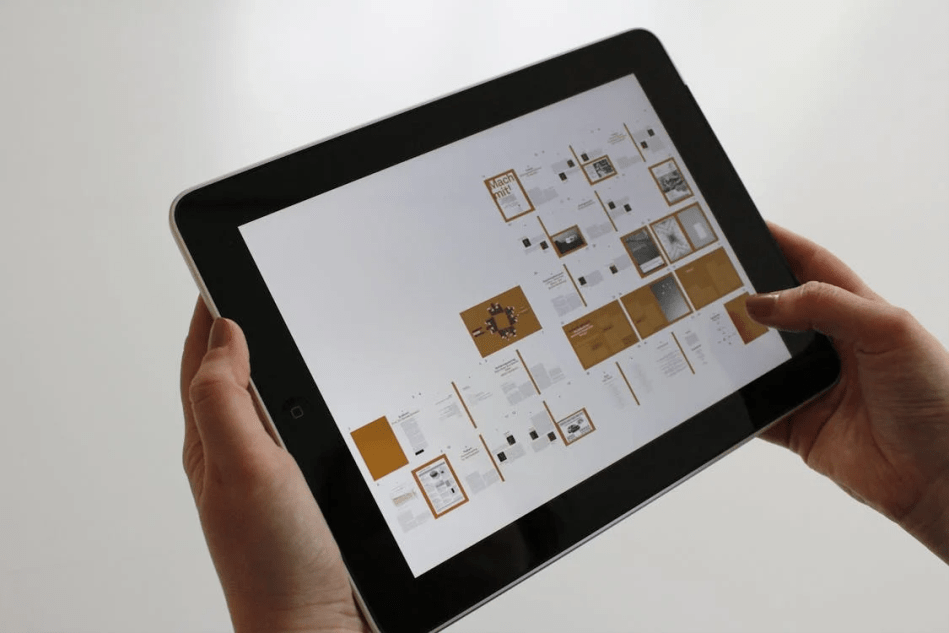
- Laptops, tablets, or e-readers – Often issued to students for temporary use within the campus or library premises.
- Electronic devices and peripherals – Such as projectors, printers, headphones, webcams, or calculators used during seminars, study sessions, or presentations.
- Archival and special collections – Manuscripts, historical maps, models, microfilms, blueprints, and rare documents that are essential for research work.
- CDs and DVDs – Educational videos, training modules, movies, audiobooks, and software that support classroom learning or individual study.
- Visual aids – Charts, posters, framed artworks, teaching exhibits, and educational models that helps understanding of complex topics.
- Furniture and fixtures – Items like movable study tables, kiosk stands, portable whiteboards, or adjustable chairs that are tracked and issued for internal use.
- Lab and technical kits – Especially in engineering, medical, or science libraries, items like circuit kits, anatomy models, or tool sets are also issued as learning support tools.
As libraries evolve into multi-resource hubs, managing non-book assets becomes just as crucial as managing books. RFID ensures control, efficiency, and visibility over all kinds of resources—books or not.
Investing in RFID for non-book assets isn’t just about tech—it’s about supporting modern learning, improving user experience, and protecting valuable investment.

Why Are Non Book Materials Important in a Library?
Non-book materials are not just optional add ons they are an essential part of modern library services. They support different types of learners, improve the library’s purpose, and help bridge the gap between traditional reading and hands on learning.
Support Multimedia Learning :
Not every learner benefits from reading alone. Educational CDs, DVDs, projectors, and audio-visual aids help students understand complex topics through visual and interactive formats. They are especially useful for subjects like science, medicine, and arts.
Preserve Rare and Historical Resources :
Manuscripts, maps, microfilms, and archival documents help protect and share local history, cultural heritage, and rare research content that may not be available in book form. These resources are crucial for researchers and historians.
Aid in Research and Practical Work :
Models, kits, technical tools, and lab instruments give students the opportunity to learn by doing. In engineering, medicine, and science libraries, these non-book assets allow hands-on exploration, making learning more effective.
Increase Accessibility and Inclusion :
Tablets, audiobooks, and e-readers support students who may have visual impairments or learning differences. These resources ensure that everyone can access information in a format that suits them.
Improve Library Services and Convenience :
Libraries that lend laptops, headphones, calculators, or even portable furniture offer students more flexibility and comfort in their study routines. This improves user satisfaction and increases the library’s role in daily academic life.
However, because these items come in all shapes and sizes and are often more fragile or expensive than books they are harder to catalog, issue, and track using traditional methods. That’s where smart solutions like RFID become helpful.
RFID for Tracking Non Book Library Assets :
Function | How RFID Helps | Examples |
Tagging Irregular Items | RFID tags can be attached to a wide variety of shapes and surfaces using adhesive, rugged, or flexible tags. | CDs, lab kits, tablets, models, projector cases |
Easy Issue & Return | RFID kiosks allow self service check-in/check-out without manual records. | Printers, calculators, headphones |
Real-Time Tracking | Handheld or fixed RFID readers can locate misplaced or stored items in seconds. | Finding a missing manuscript or atlas |
Theft Prevention | RFID gates detect if items exit without proper check out and trigger alerts. | Preventing theft of laptops, tablets, projectors |
Usage Analytics | RFID logs help track usage patterns across time, departments, or types of materials. | Knowing which models are frequently borrowed vs unused |
Benefits :
Reduces Staff Burden with ProperTracking :
Safeguards High-Value and Irregular-Shaped Items :
Whether it’s a projector, a research model, or a historical artefact. RFID ensures everything is traceable, even when items are bulky, portable, or fragile.
Supports Smarter Budgeting and Inventory Decisions :
Improves Access While Ensuring Accountability :
Improves Resource Visibility :
Conclusion :
As libraries evolve into multi-resource hubs, managing non-book assets becomes just as crucial as managing books. RFID ensures control and visibility over all kinds of resources books or not.
Investing in RFID for non-book assets isn’t just about tech it’s about supporting modern learning, improving user experience, and protecting valuable investment.