
Libraries are more than just collections of books; they are the birthplaces of knowledge and culture, serving diverse communities with varied linguistic backgrounds. Drawing in people from every corner of the globe, especially in educational institutions like colleges and universities, libraries play a crucial role in facilitating learning and exploration. As international students flock to campuses worldwide, the importance of language diversity transcends mere consideration—it becomes an absolute necessity. These students, spanning across continents, frequent both academic and public libraries for research and exploration. Moreover, there are individuals who may not be proficient in English but are more comfortable with their native language. For them, multi-language support becomes invaluable.
In this digital age, libraries evolve to meet the changing needs of their diverse patrons. The integration of technology becomes inevitable, offering solutions to improve library services. Among these innovations, the Library RFID Self-Service Kiosk stands out, particularly for its remarkable multi-language support feature. This powerful tool simplifies library transactions for all, regardless of language proficiency. With its user-friendly interface and functionality, the Library RFID Self-Service Kiosk empowers patrons of varied linguistic backgrounds to navigate library resources and services effortlessly.
Understanding the Kiosk: A Closer Look
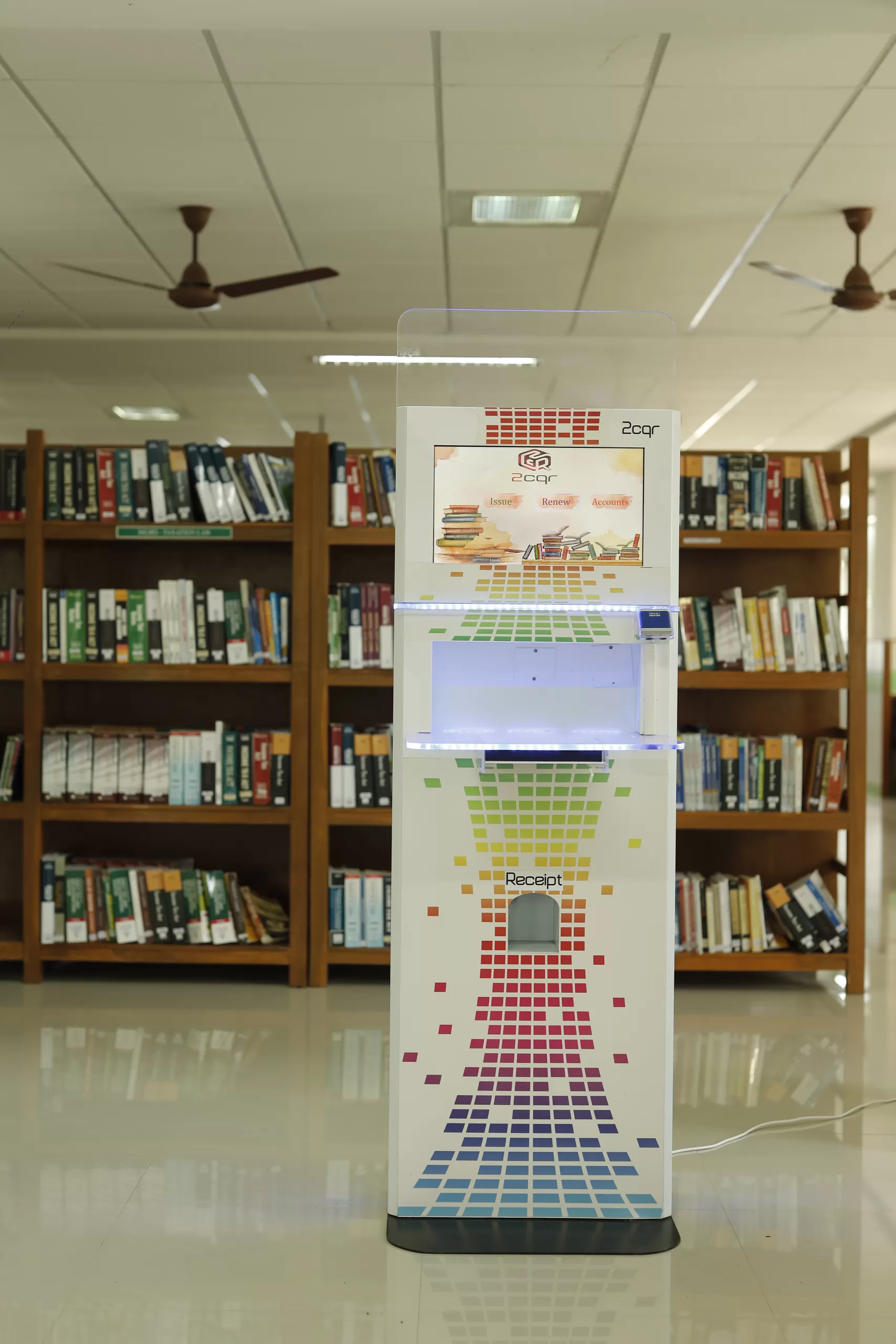
The Library RFID Self-Service Kiosk redefines library transactions with its user-friendly design and versatile authentication methods These kiosks can be customized with various authentication methods, including RFID cards, biometric authentication, barcodes, and facial recognition, the kiosk ensures secure access for all users. Its intuitive interface guides users through borrowing returning and renewing processes effortlessly.
Patrons can manage their library accounts by simply placing their ID cards on the designated area. This grants them instant access to their account information, including borrowing history, due dates, fines, and more.
Issuing (borrowing) books becomes a breeze with the self-service kiosk. Users can select their desired books and simply place them on the antenna after scanning their ID cards in the designated area, initiating the borrowing process without the need for staff assistance. The kiosk automatically links the borrowed items to the patron's account, providing a quick and convenient transaction.
Returning books is equally effortless. Patrons can return their borrowed items by simply placing them on the antenna, allowing the kiosk to process the return and update the user's account accordingly. This eliminates the need for waiting in line or searching for a staff member to assist with returns.
Renewing books is also made convenient with the self-service kiosk. Users can access their library accounts through the user-friendly interface, view the books they have borrowed, and easily renew them with just a few clicks. This feature allows patrons to manage their borrowing history and extend their loan periods as needed, all with the touch of a button.
Patrons can confirm these transactions, and receive a receipt or digital confirmation via email or SMS.
Most importantly, all these functions can be performed in multiple languages, further enhancing accessibility for diverse library patrons.
Know more on Library RFID Self service kiosks its usage, its features, its advantages etc
Breaking Down Language Barriers: The Importance of Multi-Language Support
Language diversity is a hallmark of our global society, and libraries serve as community hubs where individuals from all walks of life converge in pursuit of knowledge. Recognizing the linguistic mosaic that defines our communities, the integration of multi-language support in library self-service kiosks becomes a necessity feature.
Advantages of Multi-Language Support includes,
-
Inclusivity
No one should feel left out due to language barriers. Multi-language support ensures that every patron, regardless of their linguistic background, can navigate the library system with ease.
-
Accessibility
By offering information in multiple languages, libraries cater to diverse communities, making their resources accessible to all, regardless of language proficiency.
-
Encouraging User Experience
When patrons can interact with the library system in their preferred language, it leads to a more positive and comfortable experience, encouraging them to utilize library services more frequently.
-
Cultural Sensitivity
Supporting multiple languages demonstrates respect for cultural diversity. It shows that the library values and embraces different linguistic traditions, providing an inclusive environment for all patrons.
Languages Supported by 2CQR’s RFID Self-Service Kiosks
2CQR's Library RFID Self-Service Kiosk is equipped to handle a wide range of languages, ensuring that patrons can interact with the system comfortably in their preferred language.
Supported languages include ,
- English
- Hindi
- Tamil
- Telugu
- Urdu
- Chinese
This comprehensive language support ensures that patrons from various linguistic backgrounds can engage with library services in a language they are most comfortable with.
In conclusion, the integration of multi-language support in library self-service kiosks represents a significant step forward in promoting inclusivity, accessibility, and cultural sensitivity within library spaces. As libraries continue to evolve as dynamic centers of learning and community engagement, technologies like the Library RFID Self-Service Kiosk pave the way for a more equitable and enriching library experience for all. Moving forward, the ongoing evolution of library technologies promises to further strengthen connections and empower individuals from all walks of life to access the wealth of resources and opportunities available within libraries.
For more details on the Library RFID self-service kiosk or installation, kindly contact us at: https://2cqr.in/contact-us/